Skip to content
Toronto Waterproofing Specialists logoToronto
WaterproofingSpecialists
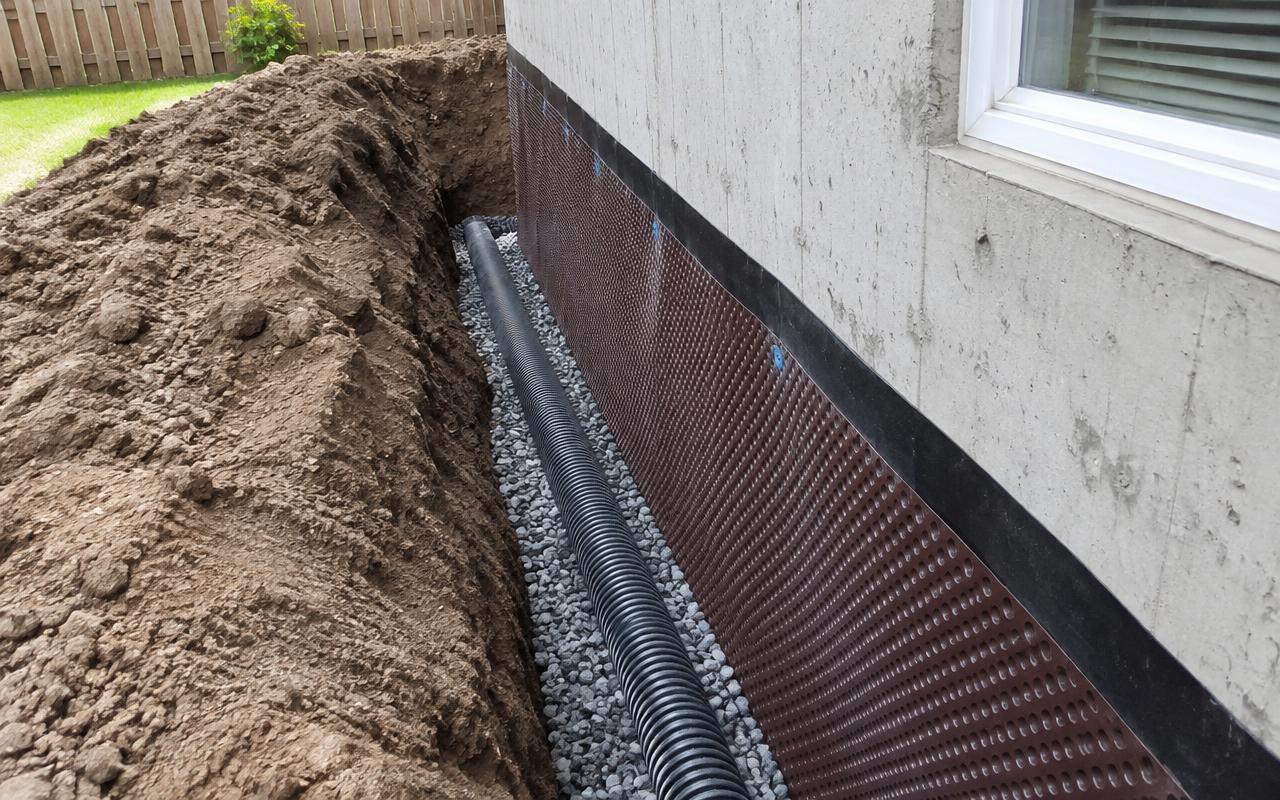
Exterior basement waterproofing with drainage membrane and weeping tile along a residential foundation

Toronto & GTA specialists

Professional Basement Waterproofing in Toronto & the GTA

Basement water intrusion can damage finished spaces, affect stored belongings, and create ongoing moisture problems. Toronto Waterproofing Specialists provides interior and exterior basement waterproofing solutions designed around your home's conditions.

  • Interior Waterproofing
  • Exterior Waterproofing
  • Basement Leak Solutions
  • Drainage & Moisture Control
Call (647) 507-3819

Get Your Free Basement Waterproofing Inspection & Quote

Share a few details and we'll contact you to arrange your free inspection.

Your information will only be used to respond to your inquiry.

Understanding Basement Water Problems

Basements sit below grade, surrounded by soil that holds water after rain and snowmelt. When that soil becomes saturated, water pushes against the foundation — this is called hydrostatic pressure — and looks for the easiest way in.

Common entry points include seepage through porous foundation walls, the joint where the basement floor meets the wall (the cove joint), cracks in concrete or block, and gaps around pipes and windows. Poor exterior drainage, such as downspouts discharging close to the house or grading that slopes toward the foundation, can make these conditions worse.

  • Seepage through foundation walls
  • Leaks at the floor-and-wall junction
  • Water penetration through cracks
  • Poor exterior drainage and grading
  • Groundwater and rain-related infiltration

Interior Basement Waterproofing

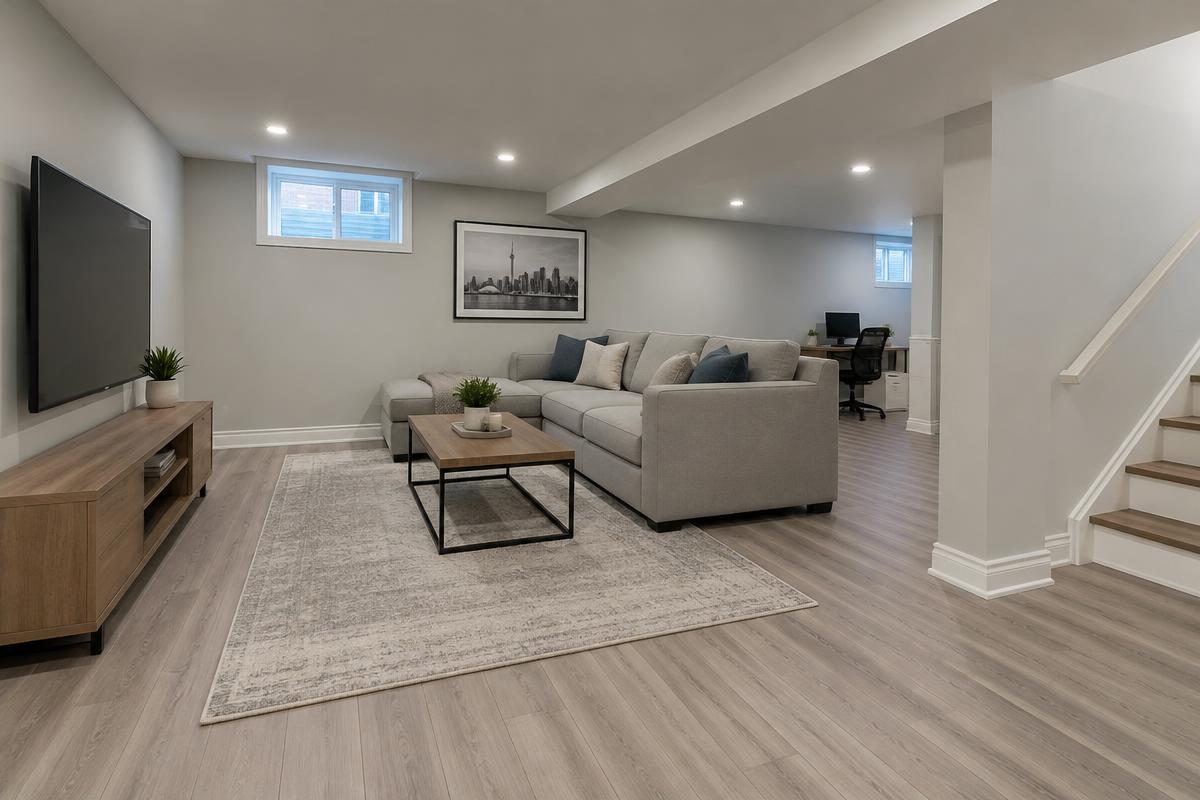
Interior waterproofing manages water that reaches the foundation by collecting it inside and directing it to an appropriate discharge point. Depending on the home, this can involve an interior perimeter drainage system installed below the basement floor along the walls, connected to a collection pit and sump pump.

Interior systems are often chosen when exterior access is limited — for example, with tight side yards, attached homes, or driveways and decks against the foundation. They manage water entering the basement, but they do not stop water from reaching the exterior face of the foundation wall. The specific components used depend on what the inspection finds; not every technique is needed on every job.
Exterior Basement Waterproofing

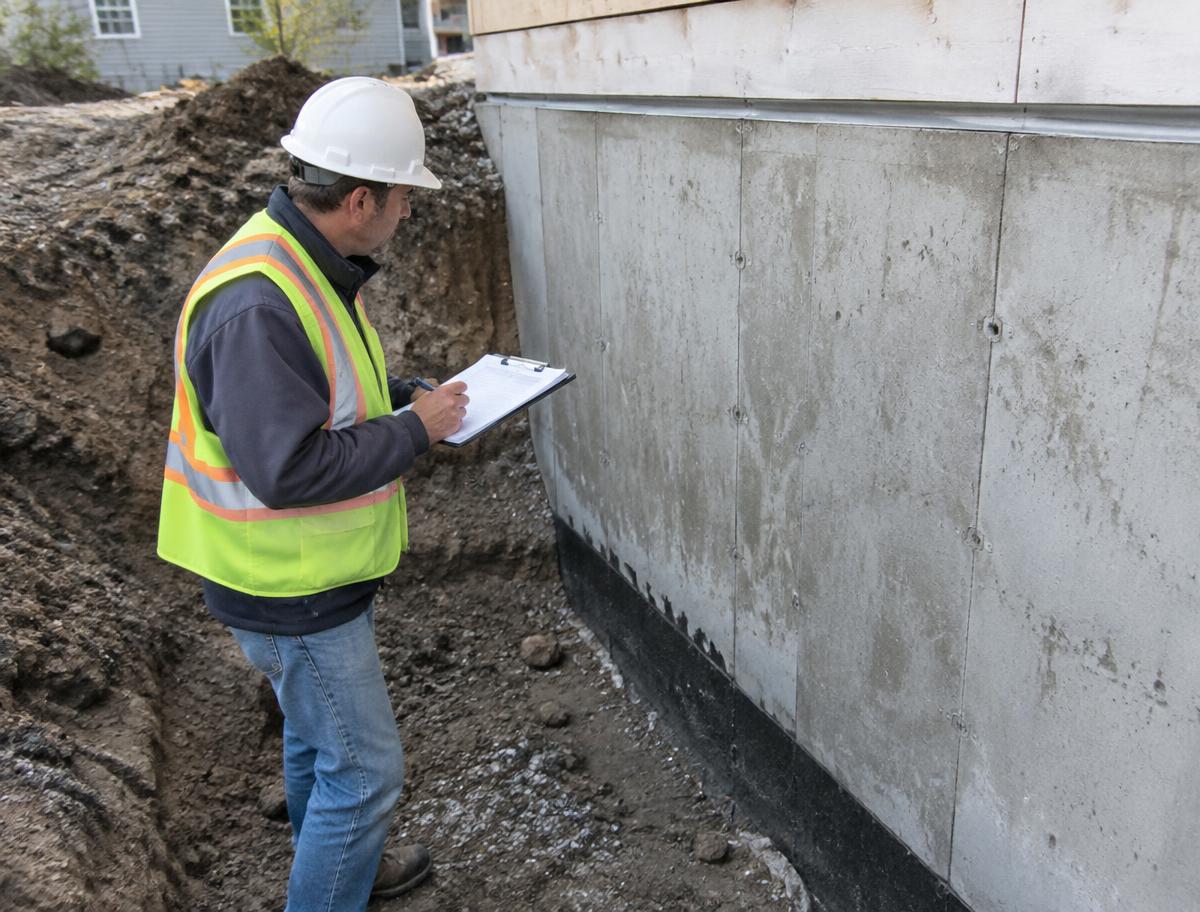
Exterior waterproofing addresses water at its source: the outside of the foundation. Where required, the soil is excavated to expose the foundation wall so its condition can be inspected and repaired. A suitable waterproofing membrane or coating is then applied, and drainage — such as weeping tile and clear stone — is installed or renewed to carry water away from the footing.

Once the work is complete, the excavation is backfilled and the area is restored. Because it stops water before it reaches the wall, exterior waterproofing is often recommended where conditions allow, but it involves more excavation and site disruption.

Interior vs. Exterior Waterproofing

Neither option is always better. The right approach depends on the nature of the leak, property conditions, and what our inspection finds.

Interior WaterproofingExterior Waterproofing
PurposeCollects and redirects water that enters the foundationKeeps water from reaching the foundation wall
AccessWork is done from inside the basementRequires excavation along the outside of the foundation
DisruptionAffects basement finishes along the wallsAffects landscaping, walkways, or areas beside the house
Common useLimited exterior access, attached homes, interior seepageWall seepage, failed membranes, exterior drainage issues
LimitationsDoes not stop water reaching the exterior wallNot always practical where access is obstructed
Exterior basement waterproofing with drainage membrane and weeping tile along a residential foundation
Representative residential repair work

Toronto & GTA

Why Basement Waterproofing Matters in Toronto

Toronto homes deal with heavy seasonal rainfall, spring snowmelt, and repeated freeze-thaw cycles that can stress foundations and drainage. Many older neighbourhoods also have aging clay weeping tile and block or stone foundations. Every property is different, which is why we inspect before recommending a solution — interior, exterior, or a combination.

Why homeowners choose us

  • Over 20 years of hands-on experience
  • Licensed & insured
  • Recommendations based on inspection findings
  • Free inspections & written quotes

Images are representative. Project photos coming soon.

How it works

Our Inspection & Repair Process

  1. 01

    Tell Us About the Problem

    Call us or send a quick request explaining your basement, foundation, or masonry concerns.

  2. 02

    Schedule Your Free Inspection

    We'll discuss the issue, arrange an inspection, and explain appropriate next steps and quote details.

  3. 03

    Get Professional Repairs

    Once the scope of work is agreed upon, our team carries out the repair or restoration work.

FAQ

Basement Waterproofing Questions

Practical answers to common questions. For anything specific to your property, an inspection is the best next step.

How much does basement waterproofing cost in Toronto?

Cost depends on the method (interior or exterior), the length of wall involved, depth, access, and what we find during the inspection. Because every basement is different, we provide a written quote after a free inspection rather than a one-size price.

What is the difference between interior and exterior waterproofing?

Interior waterproofing collects water that reaches the foundation and directs it to a discharge point. Exterior waterproofing protects the outside of the foundation wall with a membrane and drainage so water is kept away from the wall. The right choice depends on the source of the leak and site conditions.

Can a basement leak be fixed permanently?

A properly diagnosed and correctly installed repair can provide long-lasting results. The key is identifying the actual cause — a crack, a failed drain, wall seepage, or grading — and addressing it appropriately.

Why does water enter my basement after rain?

Rain saturates the soil around the foundation, increasing water pressure against the walls and floor. Water then enters through cracks, porous concrete, the floor-wall joint, or gaps. Downspouts and grading that direct water toward the house can contribute.

Is waterproofing necessary if my basement only leaks occasionally?

Occasional leaks often indicate a condition that can worsen over time, especially after heavy storms. An inspection helps determine whether a targeted repair is enough or a broader waterproofing solution is advisable.

Do you provide free basement waterproofing inspections?

Yes. We offer free inspections and quotes. Call (647) 507-3819 or submit the form to arrange a visit.

Get Your Free Basement Waterproofing Inspection & Quote

Talk to Toronto Waterproofing Specialists about basement waterproofing for your property. Inspections and quotes are free.

Call Now